Why Anti-Aging Starts with Honesty—My Health Check Wake-Up Call
Turning 40 made me panic—I felt tired, looked dull, and feared aging was speeding up. I tried creams, supplements, and workouts, but nothing stuck. Then I realized: I skipped the basics. Without honest health assessments, anti-aging efforts are just guessing. This is why I started tracking real markers—energy, sleep, lab results—and how it changed everything. It’s not about looking younger tomorrow; it’s about building a body that ages well from the inside. The journey wasn’t glamorous, but it was necessary. What I discovered wasn’t just numbers on a page—it was a roadmap to feeling truly alive again, even as the calendar moved forward.
The Mirror Lie: When Skincare Isn’t Enough
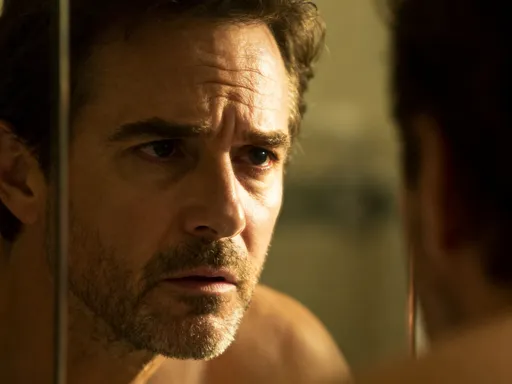
For years, I believed my reflection was the ultimate health report. If my skin looked smooth and my makeup stayed put, I assumed I was doing fine. I invested in serums, jade rollers, and high-end moisturizers, convinced that glowing skin meant a healthy body. But behind that curated image was a woman who fell asleep on the couch by 8:30 p.m., woke up with stiff joints, and needed three cups of coffee just to start the day. The mirror had lied to me. It showed surface calm but masked internal chaos. What I didn’t know then was that aging begins long before it shows on the face. It starts in the bloodstream, in the cells, in the silent shifts of hormones and metabolism that no facial oil can touch.
Modern culture sells a version of anti-aging that’s skin-deep. Advertisements promise firmer cheeks, fewer lines, brighter eyes—all achievable with the right product. But these solutions treat symptoms, not causes. True anti-aging isn’t about reversing time; it’s about slowing biological decline. And that requires more than a good cleanser. It requires awareness of what’s happening beneath the surface. Without understanding your body’s internal environment—your hormone balance, inflammatory load, and metabolic efficiency—any anti-aging strategy is a shot in the dark. You might see temporary improvements, but without addressing root causes, those gains won’t last.
What changed for me was shifting focus from appearance to function. Instead of asking, “Do I look younger?” I started asking, “Do I feel stronger? Am I recovering well? Is my energy steady?” These questions led me to objective measures: blood work, sleep tracking, and physical performance tests. I discovered that my cortisol was elevated, my estrogen was low, and my insulin sensitivity was declining. None of these showed on my face, but they were driving how I felt every single day. Only when I acknowledged these internal imbalances could I begin to correct them. The mirror stopped being my guide. Data did.
Pitfall #1: Trusting How You Feel Over What’s Measured
Like many women, I used to believe that if I could function—if I could get the kids to school, finish work tasks, and manage social obligations—then I must be healthy. “I feel fine,” I’d say, brushing off fatigue as just part of busy life. But feeling “fine” is not the same as being healthy. In fact, it’s often a dangerous illusion. The body is remarkably resilient. It can compensate for years of imbalance before symptoms become undeniable. By the time you feel unwell, the problem may already be advanced. This is especially true for conditions like insulin resistance, early-stage cardiovascular changes, or hormonal shifts that creep in silently.
My wake-up call came during a routine check-up. I wasn’t there for anything urgent—just an annual physical. But the blood work told a different story. My HbA1c, a marker of long-term blood sugar control, was in the prediabetic range. My vitamin D was critically low. My thyroid-stimulating hormone (TSH) was elevated, suggesting early hypothyroidism. None of these explained how tired I felt—they weren’t supposed to. That’s the problem with relying on symptoms: they lag behind biological changes. By the time you notice brain fog or weight gain, your body has likely been struggling for months, even years.
This is why regular, comprehensive lab testing is non-negotiable for anyone serious about healthy aging. Key markers like C-reactive protein (CRP) for inflammation, HbA1c for glucose metabolism, lipid panels for heart health, and full thyroid panels provide early warnings. They allow you to intervene before disease develops. For example, catching prediabetes early means you can reverse it with diet and lifestyle changes. Waiting until you have full-blown type 2 diabetes means lifelong medication and higher risks of complications. The same applies to hormonal imbalances—addressing low estrogen or high cortisol in midlife can prevent bone loss, weight gain, and mood disorders later on.
What I learned is that feeling okay isn’t a health goal. It’s a starting point for deeper inquiry. Just because you’re not sick doesn’t mean you’re thriving. True health is resilience, energy, mental clarity, and emotional stability—all of which depend on measurable physiological balance. Once I accepted that my feelings were unreliable data, I began to trust the lab results more. And that shift changed everything. I stopped guessing and started acting on evidence.
Pitfall #2: Ignoring the Long Game of Cellular Health
Most anti-aging conversations focus on visible signs: wrinkles, gray hair, sagging skin. But the real story of aging is written at the cellular level. Every day, your cells face damage from oxidative stress, inflammation, and metabolic byproducts. Over time, this wear and tear accumulates, leading to mitochondrial dysfunction, shortened telomeres, and impaired DNA repair—all hallmarks of biological aging. These processes don’t show up on a selfie, but they determine how well your body functions, how quickly you recover, and how resilient you are to illness.
I ignored this for years. I thought anti-aging meant staying active and eating well. But even with a decent diet and regular walks, I was still declining at the cellular level. It wasn’t until I explored advanced health assessments that I understood what was happening inside. Tests like DEXA scans revealed that my bone density was dropping faster than expected. Lipid particle size analysis showed I had a high number of small, dense LDL particles—more dangerous for heart health than total cholesterol alone. And markers of oxidative stress, like oxidized LDL and glutathione levels, indicated my body was under constant strain.
These insights shifted my entire approach. Instead of chasing surface-level fixes, I began supporting my cellular health. I increased my intake of antioxidants—especially vitamin E, selenium, and polyphenols from berries and green tea. I prioritized sleep, knowing it’s when cellular repair peaks. I added strength training to preserve muscle mass, which supports metabolic health and mitochondrial function. And I reduced exposure to environmental toxins—switching to clean personal care products and filtering my water—because every toxin the body must process adds to the cellular burden.
The lesson here is that anti-aging isn’t just about adding years to life—it’s about adding life to years. You can look youthful but feel exhausted. Or you can feel vibrant, clear-headed, and strong, even if your face shows time’s passage. Cellular health is the foundation of the latter. By monitoring and supporting it early, you give your body the tools it needs to age with grace and strength. This isn’t vanity. It’s self-respect.
Pitfall #3: Copying Trends Without Personalization
In my early attempts to age better, I followed every trend I read about. I tried intermittent fasting because it was popular. I went keto for months, then switched to plant-based. I took ice baths, wore red light therapy masks, and cycled through expensive supplements based on influencer recommendations. Some of these helped a little. Others made me worse. Intermittent fasting, for instance, spiked my cortisol and disrupted my sleep. Keto lowered my energy and worsened my cholesterol profile. What I didn’t realize was that no single approach works for everyone. Our bodies respond differently based on genetics, hormone levels, gut microbiome, and lifestyle history.
This is where personalization becomes critical. What works for a 35-year-old male athlete may not suit a perimenopausal woman with a history of thyroid issues. Yet, so much of the wellness industry sells one-size-fits-all solutions. The truth is, effective anti-aging requires understanding your unique biology. That means using assessments to guide decisions, not social media. For me, this meant getting a gut microbiome test, which revealed imbalances in beneficial bacteria. It meant genetic testing that showed I have a slower MTHFR enzyme, affecting how I process folate. And it meant metabolic testing that confirmed I respond better to moderate carbohydrate intake than extreme restriction.
With this data, I stopped guessing and started customizing. I adjusted my diet to include more leafy greens and fermented foods to support gut health. I switched to active forms of folate instead of folic acid. I structured my eating schedule around my cortisol rhythm, avoiding long fasts that stressed my system. I also reevaluated exercise. Instead of chasing high-intensity workouts, I focused on strength training and low-impact movement like yoga and walking, which aligned better with my recovery capacity.
The takeaway? Trends are not strategies. They’re experiments—often designed for someone else’s body. Real anti-aging requires self-knowledge. It’s not about doing what’s popular. It’s about doing what’s right for you. And the only way to know that is through honest assessment and professional guidance. When you personalize your approach, you stop fighting your biology and start working with it.
Building Your Real Anti-Aging Blueprint
Once I had a clearer picture of my health, I could build a sustainable, science-backed routine. This wasn’t about quick fixes or extreme measures. It was about creating a lifestyle that supported long-term vitality. The foundation was data: blood tests, wearables, and clinical assessments. From there, I made targeted changes. For example, knowing I had insulin resistance, I adopted a lower-glycemic diet rich in fiber, healthy fats, and lean protein. I timed my carbohydrate intake around physical activity to improve glucose disposal. I also began monitoring my continuous glucose levels with a wearable sensor, which gave me real-time feedback on how different foods affected my energy and mood.
Sleep became a priority. Using a sleep tracker, I discovered I wasn’t getting enough deep sleep—critical for hormone regulation and cellular repair. I adjusted my bedtime, reduced screen exposure at night, and created a calming pre-sleep routine. Within weeks, my sleep quality improved, and so did my energy and focus. I also revisited exercise. Based on a DEXA scan that showed declining muscle mass, I added resistance training three times a week. This not only preserved muscle but also improved insulin sensitivity and boosted metabolism.
Nutrition was another key pillar. Instead of following generic advice, I used my lab results to guide supplementation. I took vitamin D3 with K2 to support bone and immune health. I added omega-3 fatty acids to reduce inflammation. I used magnesium glycinate to support sleep and muscle function. And I made sure my diet included plenty of phytonutrient-rich foods—colorful vegetables, herbs, and spices—that naturally support detoxification and antioxidant defenses.
The most important part of this blueprint was consistency, not perfection. I didn’t aim to be flawless. I aimed to be aware. I scheduled follow-up tests every six months to track progress and adjust as needed. I worked with a functional medicine practitioner to interpret results and refine my plan. Over time, the changes added up: more energy, better sleep, improved mood, and a sense of control I hadn’t felt in years. This wasn’t about turning back the clock. It was about moving forward with strength.
When to Seek Professional Guidance
While self-tracking and personal research are powerful tools, they are not substitutes for medical expertise. There’s a fine line between being proactive and overstepping into self-diagnosis. Lab results can be complex. A single abnormal marker doesn’t always mean disease—context matters. That’s why collaboration with healthcare providers is essential. A qualified doctor can help interpret your data, rule out serious conditions, and guide appropriate interventions.
I learned this the hard way. Early on, I panicked when I saw a slightly elevated liver enzyme and considered drastic dietary changes. But my doctor explained that the value was only mildly high and likely due to a recent medication. She recommended monitoring, not intervention. That experience taught me to use data as a conversation starter, not a final verdict. It’s okay to be informed, but it’s dangerous to act without professional input.
When choosing a provider, look for someone open to preventive and functional medicine approaches. Not all doctors are trained to look at optimal ranges, not just normal ones. Some may dismiss mild imbalances as “within range,” but for anti-aging, optimal is the goal. A good practitioner will listen, review your full history, and help you create a personalized plan. They’ll also know when to refer you to specialists—endocrinologists, cardiologists, or nutritionists—as needed.
Remember, the goal isn’t to replace your doctor. It’s to partner with them. Bring your data, ask thoughtful questions, and work together toward long-term health. This collaborative approach ensures safety, accuracy, and sustainability—three pillars of real anti-aging.
Aging Smarter, Not Just Slower
Looking back, my fear of aging was really a fear of losing control. I worried about becoming weak, forgetful, or dependent. But what I’ve learned is that aging doesn’t have to mean decline. It can mean evolution. By facing my health honestly—through testing, tracking, and thoughtful action—I’ve gained more than energy or clearer skin. I’ve gained confidence. I know my body better. I understand its signals. I respond with care, not fear.
True anti-aging isn’t about denying time. It’s about respecting it. It’s about making choices today that support your future self. It’s about replacing guesswork with knowledge, and anxiety with action. Every test, every adjustment, every small habit is a deposit in the bank of long-term well-being. And the return isn’t just longevity—it’s quality of life.
For women in their 30s, 40s, 50s and beyond, this message is especially powerful. We’re often taught to prioritize everyone else—our families, our jobs, our homes. But our health is the foundation of everything else. When we invest in it, we don’t just add years. We add presence, strength, and joy. We show up fully—for our children, our partners, ourselves.
So if you’re feeling tired, unsure, or afraid of what’s coming, know this: you have more power than you think. Start with honesty. Get tested. Learn your numbers. Work with a professional. Build a plan that fits your life. Aging is inevitable. But how you age? That’s up to you. And the best anti-aging secret isn’t a cream or a supplement. It’s awareness. It’s courage. It’s the decision to take care of yourself—not tomorrow, but today.