You Won’t Believe These Hidden Art Spots in Utrecht
Utrecht isn’t just canals and cafes—underneath its quiet charm lies a thriving underground art scene most tourists miss. I stumbled upon secret galleries, street art alleys, and cultural hubs tucked away in courtyards and converted churches. This city breathes creativity in unexpected places. If you’re chasing authentic culture beyond the postcard sights, Utrecht’s offbeat artistic soul will blow you away. Let’s dive into the local vibe few ever see.
Beyond the Tourist Trail: Discovering Utrecht’s Artistic Pulse
Utrecht is often celebrated for its medieval architecture, serene canals, and the towering presence of the Dom Tower, but beneath this well-polished surface thrives a dynamic and deeply rooted artistic movement. While many visitors follow the guided paths through the city center, the true pulse of Utrecht’s creativity beats in quieter, less advertised spaces. These are the pockets where innovation flourishes without fanfare, where local artists experiment, collaborate, and exhibit far from the commercial galleries and souvenir shops. The contrast between the city’s historic façade and its contemporary cultural energy is not a clash—it’s a harmony. Utrecht has long supported independent thinkers, nurtured by its universities, progressive city policies, and a population that values authenticity in expression.
What sets Utrecht apart from other Dutch cities is its willingness to repurpose and reimagine space. Abandoned buildings, forgotten alleys, and even disused religious sites have been transformed into incubators for creativity. This spirit of renewal is not driven by tourism metrics but by community initiative. Artists, designers, and performers have carved out niches where they can work without the pressure of mainstream appeal. These spaces are often unmarked, known only through word of mouth or local event listings. Yet, they are integral to the city’s cultural identity. The energy here is not performative—it’s lived. Visitors who take the time to explore beyond the central square will find that Utrecht’s art scene is not something to be observed from a distance, but experienced up close, often with the artists themselves just steps away.
The city government has also played a quiet but supportive role in fostering this underground movement. Through modest grants, relaxed zoning for cultural use, and partnerships with local collectives, Utrecht has created an ecosystem where grassroots art can survive and grow. Unlike cities where urban development pushes creatives to the margins, Utrecht integrates them into the fabric of everyday life. This balance between preservation and innovation allows both history and modernity to coexist, each enriching the other. For the curious traveler, this means that every corner turned could reveal a mural in progress, a pop-up exhibition in a vacant storefront, or a spontaneous performance in a hidden courtyard. The city invites exploration not with billboards, but with subtle cues—faint music from an open basement door, a spray-painted stencil on a side wall, or a hand-drawn flyer taped to a lamppost.
Courtyards and Hidden Galleries: Where Local Artists Thrive
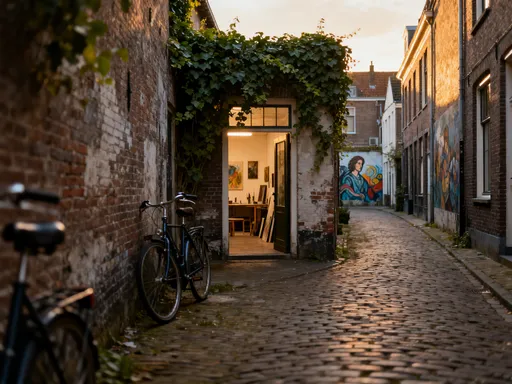
One of Utrecht’s best-kept secrets lies in its *hofs*—medieval inner courtyards tucked behind unassuming doorways along the city’s winding streets. These tranquil spaces, once private residential compounds, now serve as sanctuaries for artists and small creative enterprises. Often accessible through arched passages or weathered wooden gates, the *hofs* offer a quiet refuge from the bustle of the city, making them ideal environments for contemplation and creation. Some of these courtyards, like Hof van Woudenberg and Hof te Ewijk, have evolved into semi-public cultural zones where local artists display their work in modest studios or temporary exhibition spaces. These are not grand galleries with velvet ropes, but intimate settings where visitors can speak directly with creators, observe works in progress, and even purchase pieces straight from the source.
Hof van Woudenberg, located just off the bustling Neude square, is a prime example of this quiet transformation. Once a noble residence, it now houses a rotating roster of artists, designers, and makers who use the space as both studio and exhibition area. The atmosphere is unpretentious—wooden tables hold works in progress, paintbrushes dry in jars, and sketches are pinned to corkboards. Visitors are welcome during open studio days or weekend markets, where the line between observer and participant blurs. There’s no admission fee, no audio guide, just the chance to engage with art in its most honest form. Similarly, Hof te Ewijk, nestled near the Janskerk, offers a serene backdrop for photography exhibitions, ceramic displays, and small-scale installations. The courtyard’s ivy-covered walls and stone fountains enhance the sense of discovery, making each visit feel like stepping into a private world.
Exploring these courtyards requires a mindful approach. While many are open to the public during certain hours, they remain active workspaces and, in some cases, private residences. Respectful behavior—keeping voices low, not touching artwork unless invited, and following posted guidelines—is essential. Photography is usually permitted, but it’s courteous to ask before taking pictures of people or unfinished works. The beauty of these spaces lies not just in the art they contain, but in the sense of community they foster. Artists often collaborate across disciplines, hosting joint exhibitions or performance nights that draw locals and inquisitive travelers alike. For the visitor, this means that a single visit might include a textile display, a live sketching session, and a poetry reading—all unfolding in the same sunlit courtyard.
These hidden galleries thrive because they are not designed for mass tourism. They exist because artists need space, and Utrecht has found ways to provide it without commercializing the experience. For the discerning traveler, especially one seeking meaningful cultural encounters, the *hofs* offer a rare opportunity: to witness creativity as it happens, unfiltered and unscripted. They are a reminder that art does not always require grand institutions to flourish—sometimes, all it needs is a quiet corner, natural light, and a community that values expression.
Street Art That Tells a Story: Murals Off the Main Path
While Utrecht’s historic center remains carefully preserved, its outer neighborhoods tell a different visual story—one painted in bold colors, intricate patterns, and powerful messages. In districts like Kanaleneiland, Oudwijk, and Tuindorp, street art has become a vital form of public dialogue. Unlike the spontaneous graffiti sometimes seen in other cities, Utrecht’s murals are often commissioned, community-approved, and deeply intentional. They reflect themes of identity, sustainability, social justice, and local history, transforming blank walls into open-air galleries. These artworks are not mere decorations; they are narratives, each one contributing to a larger conversation about what it means to live in a modern, inclusive Dutch city.
The murals in Kanaleneiland, one of Utrecht’s post-war residential areas, are particularly striking. Once seen as architecturally uniform and socially overlooked, the neighborhood has undergone a visual renaissance thanks to programs that invite both Dutch and international artists to reimagine its concrete surfaces. One large-scale piece depicts a child holding a key made of green leaves, symbolizing hope and environmental stewardship. Another portrays interwoven faces of different ethnic backgrounds, celebrating the area’s diversity. These images do more than beautify—they validate, empower, and inspire. Residents often express pride in these works, seeing them as affirmations of their community’s value and voice.
For visitors, exploring Utrecht’s street art requires stepping away from the canal belt and embracing a more adventurous pace. A self-guided walking route can begin at the Kanaleneiland metro stop, where several large murals are visible within a five-minute walk. From there, a path through Oudwijk reveals more subtle pieces—stenciled birds along alleyways, mosaic tiles embedded in footpaths, and poetic phrases in Dutch and English painted on garage doors. These discoveries feel earned, not handed over by a tour guide. The lack of crowds enhances the experience, allowing time for reflection and photography without distraction. Some murals change seasonally, part of rotating urban art initiatives, so repeat visitors may find new stories waiting with each trip.
What makes Utrecht’s street art especially compelling is its emphasis on storytelling over spectacle. Artists are often invited to engage with local residents before creating their pieces, ensuring that the work resonates with the community. This collaborative approach results in art that feels rooted, not imposed. Travelers are encouraged to look closely—not just at the images, but at the context around them. A mural of a woman tending a rooftop garden might reference the city’s urban farming initiatives; a series of floating books could nod to Utrecht’s literary heritage. These layers of meaning invite deeper engagement, turning a simple walk into a journey of cultural discovery.
Independent Cultural Hubs: From Warehouses to Waterfronts
Beyond the courtyards and alleyways, Utrecht’s creative energy finds full expression in its independent cultural hubs—large-scale spaces where art, music, performance, and activism converge. These venues, often housed in repurposed industrial buildings, operate on DIY ethics and collective management. They are not funded by corporate sponsors or driven by ticket sales, but by passion, volunteer labor, and a shared belief in accessible culture. Places like OT301 and Lunetten Cultural Center exemplify this ethos, offering dynamic programming that ranges from experimental theater and underground concerts to craft fairs and film screenings.
OT301, located in a former school building near the Leidsche Rijn district, began as a squatted space in the 1990s and has since evolved into a legally recognized cultural institution. Despite its formal status, it retains a grassroots spirit. The venue features multiple performance rooms, artist studios, a vegetarian café, and a bicycle repair workshop—all run by collectives. Events here are eclectic: a Friday night might feature a jazz improvisation session, while Saturday hosts a zine-making workshop followed by a punk gig. The atmosphere is inclusive and unpolished, where visitors are encouraged to linger, chat with performers, and even help set up chairs. There’s no dress code, no velvet rope, just an open invitation to participate.
Lunetten, situated along the city’s southeastern edge, offers a similar model but with a stronger emphasis on sustainability and community building. Set in a cluster of renovated warehouses, the space includes artist lofts, a communal kitchen, and an outdoor stage used for summer festivals. The Lunetten Film Collective screens independent and international films monthly, often followed by discussions in Dutch and English. The venue also hosts the *Lunetten Markt*, a biweekly gathering where local makers sell handmade jewelry, upcycled clothing, and organic food. These events draw a mix of residents and curious visitors, creating a warm, neighborhood-centered vibe.
For travelers, attending an event at one of these hubs offers a rare glimpse into Utrecht’s living culture. Unlike formal museums or concert halls, these spaces thrive on interaction. Visitors are not passive observers but potential contributors. Event calendars are published online, and many venues welcome drop-ins, though donations are appreciated. The key to a meaningful experience is openness—being willing to try something unfamiliar, to sit at a shared table, to ask questions. These hubs are not tourist attractions; they are community spaces that happen to be open to outsiders. Respecting their ethos—sustainability, inclusivity, collaboration—ensures that visitors are welcomed, not merely tolerated.
Cultural Exchanges in Unexpected Places: Libraries, Churches & Pop-Ups
Utrecht’s commitment to integrating art into daily life extends to its public institutions. Libraries, former religious buildings, and even parking garages have been reimagined as temporary stages for creative expression. This democratization of art ensures that culture is not confined to elite spaces but woven into the routines of ordinary life. The city’s central library, one of the largest in the Netherlands, is a prime example. Its soaring atrium regularly hosts rotating art installations—from light sculptures to textile art—visible to anyone who walks in to borrow a book or use the internet. These displays are free, uncurated by commercial interests, and often created by emerging artists, giving them both visibility and legitimacy.
Equally compelling are the city’s adaptive reuse projects involving former churches. One notable example is De Balie, housed in a deconsecrated church in the Oud-West neighborhood. Once a place of worship, the building now serves as a multidisciplinary cultural center, hosting debates, film screenings, and contemporary art exhibitions. The architecture itself enhances the experience—the high ceilings, stained glass, and wooden pews lend a solemn beauty that contrasts thoughtfully with modern installations. A recent exhibit featured sound art that echoed through the nave, transforming silence into a sensory experience. These spaces honor their past while embracing new roles, demonstrating how history and innovation can coexist with grace.
Seasonal events further amplify this spirit of transformation. The annual Utrecht Light Festival, held each winter, turns overlooked corners of the city into immersive art experiences. Using projection mapping, LED sculptures, and interactive displays, artists illuminate bridges, canals, and building facades with themes of connection, nature, and imagination. The festival route is designed as a walking path, encouraging slow exploration and communal enjoyment. Families, couples, and solo visitors stroll together, pausing to marvel at a floating light orb or a building façade that appears to breathe. These moments of wonder are accessible to all, requiring no tickets or reservations—just a willingness to wander after dark.
Pop-up exhibitions in vacant storefronts, train underpasses, and public plazas also play a role in keeping the city’s art scene vibrant and unpredictable. Organized by collectives like BAK or local arts councils, these temporary installations respond to current events, celebrate local history, or simply offer moments of beauty. A disused kiosk might become a mini-gallery for photojournalism; a construction fence could display a comic strip about Utrecht’s canal system. These interventions are fleeting by design, reminding visitors that art is not always permanent, but its impact can be lasting.
Meeting the Makers: Connecting with Utrecht’s Creative Community
The heart of Utrecht’s art scene is not in its spaces, but in its people. Behind every mural, installation, and performance is an artist with a story, a vision, and a connection to the city. For travelers seeking authentic engagement, the opportunity to meet these creators is one of the most rewarding aspects of a visit. Unlike cities where artists are sequestered in studios or represented by galleries, Utrecht fosters direct interaction. Open studio days, craft markets, and community workshops provide natural entry points for conversation and connection.
One of the most accessible events is the Kunstmarkt Vredenburg, a monthly art market held in the shadow of the Vredenburg music center. Here, over a hundred local artists sell paintings, prints, ceramics, and handmade jewelry. The atmosphere is friendly and unhurried, with many vendors happy to discuss their techniques, inspirations, and creative journeys. Buying a small piece—a watercolor of a Utrecht canal, a hand-thrown mug—becomes more than a souvenir; it’s a tangible link to the person who made it. These markets also reflect the city’s values: sustainability, craftsmanship, and community support. Many artists use recycled materials or natural dyes, and pricing is fair, reflecting labor rather than luxury branding.
Workshops offer another avenue for deeper connection. From screen printing and bookbinding to urban sketching and natural dyeing, these sessions are often hosted in community centers or cultural hubs. They are designed for all skill levels, emphasizing process over product. Participating in a workshop allows travelers to step into the role of creator, even briefly, fostering empathy and appreciation for the artistic process. It also creates natural opportunities for conversation with locals, breaking down the barrier between visitor and resident. These interactions, though fleeting, can be profoundly meaningful—shared laughter over a crooked print, advice from a seasoned painter, or a recommendation for a hidden café where artists gather.
Slow tourism—travel that prioritizes depth over breadth—aligns perfectly with Utrecht’s artistic culture. Rushing from one landmark to the next will miss the quiet moments that define the city’s soul. Staying longer, returning to the same courtyard, striking up a conversation with a gallery volunteer—these are the actions that build genuine understanding. The city rewards curiosity, not checklists. And in doing so, it invites travelers not just to see art, but to become part of its ongoing story.
Practical Magic: How to Experience Utrecht’s Art Scene Like a Local
Experiencing Utrecht’s hidden art scene begins with timing and intention. The best moments often occur outside peak tourist hours—early mornings, weekday afternoons, or late evenings during cultural events. Spring and autumn offer mild weather and a rich calendar of openings, markets, and festivals. Summer brings outdoor installations and open-air performances, while winter’s shorter days are illuminated by the Utrecht Light Festival and cozy indoor exhibitions. Planning around local event listings, such as those on the city’s official cultural website or community bulletin boards, increases the chances of encountering something special.
Transportation in Utrecht is cyclist-friendly, and renting a bike is one of the most authentic ways to explore. Many art sites are scattered across neighborhoods best reached by bicycle, allowing for spontaneous detours and discoveries. Public transit, including buses and the Utrecht Metro, is reliable and well-connected, with stops near major cultural zones. For those who prefer walking, a pair of comfortable shoes is essential—the city’s charm reveals itself gradually, one cobblestone at a time.
Local apps and digital tools can enhance the experience without replacing serendipity. The Utrecht City App includes a cultural map with real-time updates on exhibitions and events. Some collectives maintain Instagram accounts that announce last-minute openings or pop-ups. However, the most valuable resource remains human connection. Striking up a conversation at a café, asking a librarian for recommendations, or chatting with a vendor at a market can lead to invitations or insights no app can provide.
The essence of experiencing Utrecht’s art scene lies in mindset. Come with curiosity, not expectation. Be willing to wander without a fixed destination. Say yes to an event that sounds unfamiliar. Leave room for surprise. The city’s artistic soul is not hidden because it wants to exclude, but because it values presence—being there, being open, being part of the moment. When travelers embrace this spirit, they don’t just see Utrecht’s art—they feel it, remember it, and carry a piece of it home.
Utrecht’s true artistry isn’t in brochures—it’s alive in hidden corners, shaped by locals who value authenticity over spectacle. By stepping off the beaten path, travelers don’t just see culture—they become part of it. The city invites you not to watch, but to wander, wonder, and connect.