You Won’t Believe What I Found in Bilbao — Art That Feels Alive
I never thought a city could punch so hard above its weight—until I stepped into Bilbao. It’s not just the Guggenheim; it’s how art spills into the streets, how culture hums in every café and corner. From jaw-dropping architecture to local pintxos bars buzzing with life, Bilbao blends the bold and the authentic. This is more than a trip—it’s a sensory upgrade. Let me take you through the moments that made me fall head over heels for northern Spain’s coolest underdog.
First Impressions: A City Reborn Through Culture
Arriving in Bilbao feels like witnessing a quiet miracle. Once a gritty industrial hub defined by shipyards and steel, the city has undergone one of Europe’s most remarkable cultural transformations. The shift began in the late 1990s, but what’s striking today is how seamlessly the past and present coexist. Rust-colored cranes still dot the Nervión River, but now they stand alongside sleek footbridges and reflective museum facades. This isn’t a city that erased its history—it rebuilt upon it, using art as both foundation and compass.
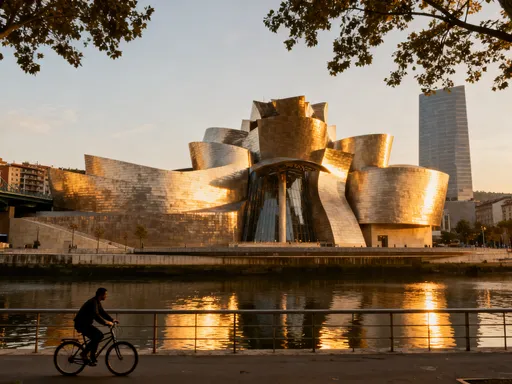
The centerpiece of this rebirth is, without question, the Guggenheim Museum. Yet even before visitors step inside, the surrounding landscape tells a story of renewal. Sculptures anchor public plazas—the most famous being Puppy, the floral-covered dog welcoming guests at the entrance. Nearby, the riverbank paths are lined with contemporary installations, each inviting a pause, a photo, or a moment of reflection. The city doesn’t wait for you to find art; it meets you at every turn.
What makes Bilbao’s transformation so powerful is its authenticity. Unlike cities that curate culture for tourists, Bilbao integrates it into daily life. Locals walk their dogs past steel spider sculptures, children climb on abstract metal forms, and retirees sip coffee beneath open-air murals. This is not art as spectacle, but as shared experience. The message is clear: beauty belongs to everyone. The Guggenheim may have put Bilbao on the map, but it’s the city’s commitment to inclusive creativity that keeps people coming back.
Inside the Guggenheim: More Than Just a Building
Walking around the Guggenheim is an experience in itself. Designed by architect Frank Gehry, the building resembles a titanium-clad ship emerging from the river. Its curves shimmer in the sunlight, shifting in color from silver to gold to rose depending on the hour. The exterior is a masterpiece of modern design, but stepping inside reveals an even deeper harmony between space and sensation. The atrium soars overhead, flooded with natural light, while interconnected galleries spiral outward like petals from a central bloom.
The museum’s permanent collection features works by artists such as Anish Kapoor, Richard Serra, and Jenny Holzer—each piece chosen to provoke thought as much as admiration. Serra’s The Matter of Time, a series of massive steel ellipses that visitors can walk through, is particularly unforgettable. As you move between the towering curves, sound distorts and perspective shifts, creating a disorienting yet profound physical experience. It’s not enough to look at the work—you must feel it, navigate it, become part of it.
Temporary exhibitions often explore themes of identity, technology, and environmental change, bridging global conversations with local sensibilities. One recent showcase highlighted Basque artists reinterpreting traditional symbols through digital media, proving that innovation doesn’t require abandoning heritage. The curation is thoughtful, never overwhelming, allowing space for contemplation. Whether you consider yourself an art enthusiast or simply curious, the Guggenheim offers a rare kind of engagement—one that speaks to emotion as much as intellect.
Perhaps the most surprising aspect of the museum is how accessible it feels. Staff are approachable, signage is clear in both Basque and Spanish (with English translations), and seating areas encourage lingering. There’s no pressure to “understand” every piece—only to be present. In a world where art can sometimes feel exclusive or intimidating, the Guggenheim stands apart. It welcomes you not as a critic, but as a human being with senses and curiosity.
Beyond the Museum: Street Art and Hidden Galleries
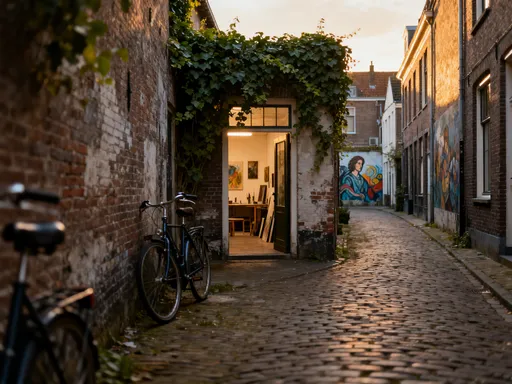
While the Guggenheim draws international crowds, some of Bilbao’s most compelling art exists far from the spotlight. A short walk into neighborhoods like Atxuri and Bilbao La Vieja reveals a thriving underground scene. Murals cover entire building facades, blending vibrant colors with social commentary. One depicts a woman weaving threads that form the map of the Basque Country; another shows children flying kites made from old factory blueprints. These works aren’t commissioned by the city—they’re born from community collectives determined to keep creativity alive.
Exploring these streets feels like uncovering a secret. Graffiti tags sit beside intricate stencils, and political slogans mingle with poetic phrases in Euskara, the Basque language. Unlike sanitized street art tours in other cities, Bilbao’s remains raw and evolving. Walls are repainted, messages updated, styles shifted—each layer telling part of the city’s ongoing story. This isn’t rebellion for its own sake; it’s dialogue. It’s how residents express pride, frustration, hope, and memory.
Scattered among these streets are small, independent galleries that defy convention. Tucked into converted warehouses or former bakeries, they showcase emerging Basque artists working in painting, sculpture, textiles, and mixed media. Many focus on themes of industrial decline, environmental recovery, and cultural resilience. One gallery in the Abando district recently hosted an exhibition using recycled shipyard metal to create sound sculptures—pieces that hummed when touched, transforming industrial waste into music.
These spaces thrive because of local support. Admission is often by donation, and openings are community events with wine, conversation, and live music. Artists are present, eager to discuss their process. There’s no pretense, no gatekeeping—just shared passion. For travelers willing to wander beyond the guidebook, these hidden galleries offer a more intimate understanding of what drives Bilbao’s creative spirit.
The Soul of the City: Culture in Daily Life
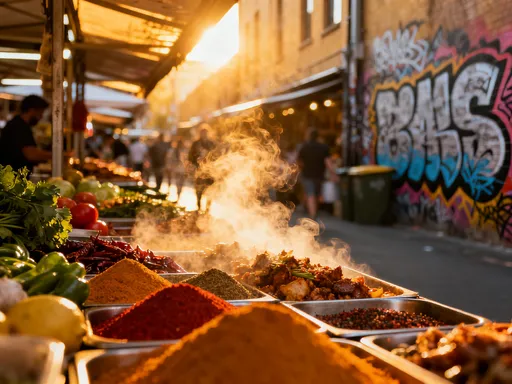
Bilbao’s artistry isn’t confined to walls or museums—it pulses through everyday moments. Nowhere is this more evident than at Mercado de la Ribera, one of Europe’s largest indoor markets. Open since 1929, it buzzes with energy from early morning until late afternoon. Stalls overflow with ripe tomatoes, glistening anchovies, wheels of sheep’s milk cheese, and baskets of wild mushrooms foraged from nearby hills.
But the market is more than a place to shop—it’s a sensory celebration. Vendors call out specials in rhythmic Basque, their voices blending with the clatter of knives and the scent of fresh bread. Elderly couples sip coffee at tiny tables while debating which peppers are best for piperade. A flower seller arranges red carnations into perfect spirals. Every detail feels intentional, yet effortless. This is culture not as performance, but as habit, as love.
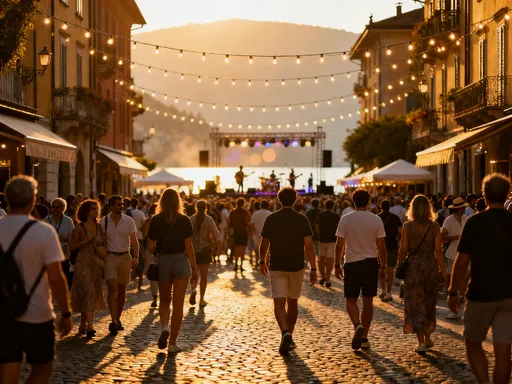
On Sundays, the city’s quieter plazas come alive with traditional music. In Doña Casilda Park, a small ensemble might play trikitixa, the Basque accordion, accompanied by a tambourine and song. Passersby pause, some swaying, others clapping along. There’s no stage, no ticket—just music offered freely. Children dance with grandparents, and strangers exchange smiles. These moments aren’t staged for tourists; they’re rituals passed down through generations.
What stands out is the quiet pride with which locals carry their heritage. You won’t see flamboyant costumes or exaggerated displays. Instead, tradition lives in subtle ways: the way a man wears his beret, the recipe for marmitako tuna stew shared across families, the Basque surnames carved into centuries-old doorframes. This understated dignity gives Bilbao its depth. It’s a city that knows who it is—and invites you to discover it at your own pace.
Pintxos as Culinary Art: A Taste of Basque Creativity
If art defines Bilbao’s soul, then pintxos—pronounced “peen-chos”—are its heartbeat. These small, elaborately crafted bites are served on bread and secured with a toothpick, lining the counters of old town bars like edible masterpieces. Unlike tapas, which are often ordered, pintxos are meant to be explored—picked up, sampled, and savored as you move from bar to bar.
The ritual begins in the evening, when locals gather for a poteo, a social crawl fueled by conversation and small plates. In the Casco Viejo, narrow cobblestone streets glow with warm light spilling from open doorways. At Bar Nestor, a queue forms nightly for their legendary tortilla de patatas—thin, golden, and slightly runny in the center. At Ganbara, a family-run favorite, the cod pintxo with roasted peppers is so rich it melts on the tongue. Each bite tells a story of seasonality, technique, and regional pride.
Yet Bilbao’s food scene isn’t trapped in tradition. Innovative chefs are reimagining pintxos with global influences and modern techniques. At Azurmendi, a Michelin-starred restaurant just outside the city, the tasting menu includes a deconstructed pintxo made with squid ink foam and pickled seaweed. Closer to the center, bars like Gozategi offer vegan pintxos with beetroot tartare and cashew cheese, proving that Basque cuisine can evolve without losing its essence.
What makes pintxos special isn’t just flavor—it’s connection. Sharing a plate, passing wine, debating the best bar in the city—these are acts of community. Prices remain modest, usually between €3 and €6 per pintxo, making fine dining accessible. And because portions are small, you can try ten different dishes in one night. For visitors, this culinary journey offers a delicious, democratic way to experience Basque creativity—one bite at a time.
Day Trips That Deepen the Experience
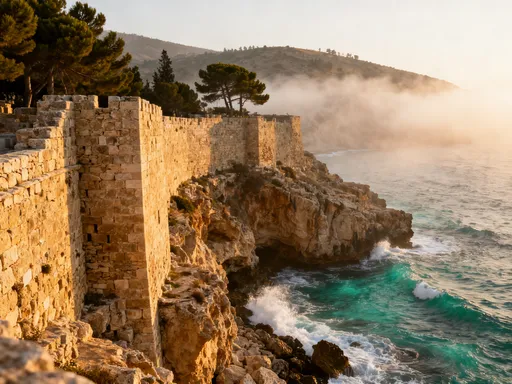
While Bilbao captivates on its own, short excursions reveal even more layers of Basque identity. Just 15 minutes by train lies Getxo, a coastal town where modernist architecture meets ocean views. The Puente Colgante, a UNESCO-listed transporter bridge, carries pedestrians across the mouth of the river, offering panoramic views of sailboats and cliffs. In the Algorta neighborhood, fishermen mend nets while seagulls circle above the port. Cafés serve grilled sardines with lemon and crusty bread, and the sea breeze carries the scent of salt and pine.
A bit further inland, the town of Guernica (Gernika in Basque) holds profound historical and cultural significance. Best known for Picasso’s famous anti-war painting, the town today honors its past through memory, not mourning. The Gernika Peace Museum documents the 1937 bombing during the Spanish Civil War, but also celebrates resilience. Murals throughout the town depict doves, olive branches, and children holding hands—symbols of unity and hope. The Tree of Gernika, a living oak that has stood for centuries, remains a powerful emblem of Basque democracy and autonomy.
Visiting Guernica is not a somber pilgrimage—it’s an affirmation of values. Locals gather in the plaza for festivals, schoolchildren learn about peacebuilding, and artists contribute to rotating exhibitions on justice and reconciliation. The town doesn’t hide its pain; it transforms it into purpose. For travelers, this journey adds emotional depth to the broader Basque story—one of survival, identity, and unwavering spirit.
Other nearby destinations include the vineyards of Laguardia, where wine tastings unfold in centuries-old cellars, and the coastal cliffs of San Juan de Gaztelugatxe, a dramatic hermitage perched on a rocky islet. Each trip enhances your understanding of the region’s diversity—its landscapes, its people, its enduring connection to land and sea.
Practical Magic: Navigating Bilbao Like a Local
One of Bilbao’s greatest strengths is how easy it is to explore. The city is compact, walkable, and well-connected by public transit. The metro system, designed by Norman Foster, is itself a work of art. Stations feature glass canopies shaped like inverted mushrooms, flooding underground platforms with natural light. Riding the metro isn’t just efficient—it’s beautiful.
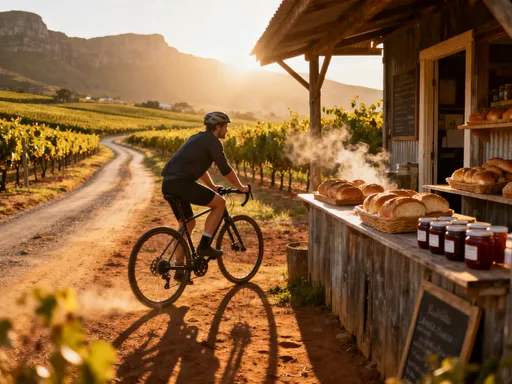
For first-time visitors, the best way to see the city is on foot, starting at the Guggenheim and following the riverbank east or west. The walk to Casco Viejo takes about 20 minutes and passes through parks, bridges, and public art installations. Comfortable shoes are essential, especially given the hilly terrain. Biking is another excellent option, with dedicated lanes along the river and rental stations throughout the city.
Timing your visit can greatly enhance the experience. Spring (April to June) and early fall (September to October) offer mild weather, fewer crowds, and ideal lighting for photography. Mornings are perfect for visiting the market or walking the riverfront before the day heats up. Evenings belong to pintxos and plazas, when the city truly comes alive.
When it comes to accommodations, Bilbao offers a range of options. Boutique hotels like Hotel NH Collection Caravaaca or Gran Hotel Domine place you steps from the museum and high-end dining. For a more intimate stay, family-run guesthouses along the river offer charming rooms and personalized tips. Many include breakfast with local pastries, jamón ibérico, and freshly squeezed orange juice—a perfect start to any day.
Language is rarely a barrier. While Basque is widely spoken, Spanish is universal, and most service workers in tourist areas speak functional English. Learning a few Basque phrases—like “Kaixo” (hello) or “Eskerrik asko” (thank you)—is appreciated and often met with warm smiles. The people of Bilbao are not overly effusive, but their kindness is steady and genuine.
Conclusion
Bilbao isn’t just a destination—it’s a mindset. It proves that art isn’t something locked in galleries; it’s a force that can transform a city and awaken travelers. This is a place where culture isn’t performed—it’s lived. Whether you're drawn by the Guggenheim’s glow or the quiet hum of a backstreet bar, Bilbao rewards curiosity with depth, warmth, and beauty that stays long after you leave. The city teaches us that rebirth is possible, that creativity can heal, and that the ordinary can become extraordinary when seen through the right lens. Ready to let a city surprise you?