You Won’t Believe This Hidden Food Scene in Tirana
Tirana isn’t just Albania’s lively capital—it’s a gateway to something most travelers miss: authentic, off-the-radar dining that feels like a secret handshake. I stumbled upon family-run spots where menus are whispered, not printed, and flavors tell stories older than the Ottoman walls. Forget tourist traps—this is real Albanian soul food, served with pride and zero pretense. In a city often passed through on the way to coastal escapes or mountain trails, few realize that Tirana’s true magic unfolds after dark, down unmarked alleys, where smoke curls from grills and laughter spills from low-lit tables. These are not restaurants designed for Instagram, but kitchens sustained by generations, where food is memory, and every bite carries the weight of history. This is not just a meal—it’s an invitation into the heart of Albanian life.
Beyond the Postcard: Tirana’s Undiscovered Culinary Heart
Tirana is often reduced to a colorful backdrop—its painted buildings and wide boulevards neatly framed in travel photos. Yet behind this postcard image lies a deeper, quieter rhythm: the pulse of everyday life, where meals are not performances but rituals. While most visitors flock to the trendy cafes of Blloku or the open-air terraces near Skanderbeg Square, a more profound culinary experience thrives beyond the guidebooks. It exists in modest storefronts with no signage, in homes where grandmothers roll dough at dawn, and in backyard grills where lamb sizzles over slow-burning embers. This is Tirana’s hidden food scene—unpolished, unapologetic, and unforgettable.
What sets these experiences apart is their authenticity. Unlike commercialized eateries catering to tourists, these places do not alter their recipes or prices for foreign palates. They offer what locals eat, at the times they eat it. A plate of tave kosi arrives warm from the oven, its golden crust crackling under the fork, the yogurt-based custard beneath rich and comforting. There is no menu translation, no waiter explaining the history of the dish—just a nod and a smile as the food is placed before you. In this simplicity lies connection. You are not a customer; you are a guest. And in Albania, being a guest is not a transactional role—it is an honored position, treated with generosity and care.
These kitchen-table meals matter because they offer cultural immersion in its purest form. Tourism often emphasizes seeing—the monuments, the landscapes, the landmarks. But eating in Tirana’s hidden spots emphasizes feeling. It is the warmth of a host pressing extra byrek into your hands “just in case,” the shared silence as everyone savors the first bite of freshly grilled qebapa, the spontaneous clinking of glasses over raki. These moments cannot be scheduled or booked online. They unfold naturally, born from openness and the willingness to step off the beaten path. In doing so, travelers gain not just full stomachs, but fuller understanding.
The Art of Finding Hidden Eateries (Without a Map)
Navigating Tirana’s underground food culture requires a shift in mindset. Forget relying solely on apps or star ratings. The best meals are rarely the most visible. Instead, success comes from observation, intuition, and a bit of courage. One reliable sign of a local favorite is simplicity: plastic chairs spilling onto the sidewalk, a chalkboard scrawled with today’s offerings, or a line of motorbikes parked haphazardly outside a narrow doorway. These are not flaws—they are signals. They indicate a place that prioritizes food over formality, where reputation is built not on marketing but on consistency and taste.
Another clue lies in the rhythm of the neighborhood. A true gem often fills up quickly at typical local meal times—around 1:00 PM for lunch or 8:00 PM for dinner. If you arrive at 3:00 PM and the place is bustling, you’ve likely found something special. Likewise, watch for elderly men lingering over coffee after a meal, or families gathering around shared platters. These social cues speak volumes. They suggest a space that functions as a community hub, not just a dining venue. And while language can be a barrier, it is rarely an obstacle. A polite gesture, a point at someone else’s plate, or a simple “Çfarë është kjo?” (“What is this?”) often leads to enthusiastic explanations, even if only half understood.
Word-of-mouth remains the most powerful tool in uncovering these spots. Locals are generally warm and willing to share their favorites, especially when approached with genuine interest. A quick conversation at a market stall or a friendly exchange with a taxi driver can yield golden recommendations. But equally important is the willingness to wander. Letting go of GPS and allowing yourself to get slightly lost in neighborhoods like Laprakë or Kashar can lead to serendipitous discoveries. The goal is not efficiency, but exploration. Each turn may reveal a hidden courtyard with a grill smoking in the corner, or a small shop where women pack byrek in wax paper for takeaway. These are the moments that define authentic travel—not checking off landmarks, but stumbling upon life as it is lived.
A Taste of Home: Family-Run Gems in the Blloku Periphery
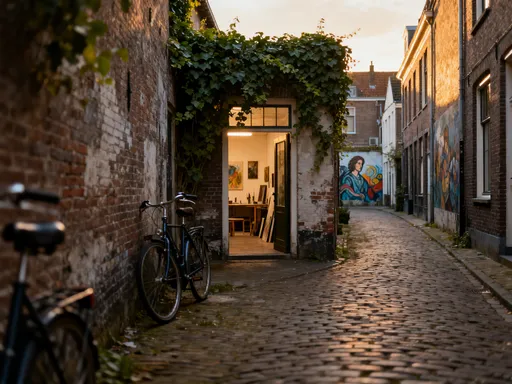
Just beyond the polished streets of Blloku, where luxury boutiques and rooftop bars dominate, lies a different world—one of narrow lanes, laundry lines strung between buildings, and the constant hum of conversation from open windows. Here, tucked between apartment blocks and corner shops, are family-run eateries that serve some of the most heartfelt food in the city. One such place, unmarked and known only by regulars, operates out of what was once a ground-floor apartment. There are no reservations, no website, and no English menu. But on any given evening, the small dining room fills with locals who have come for the tave kosi, slow-baked in clay pots until the edges crisp and the center trembles like custard.
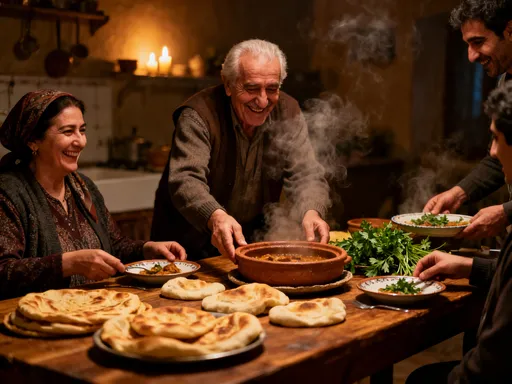
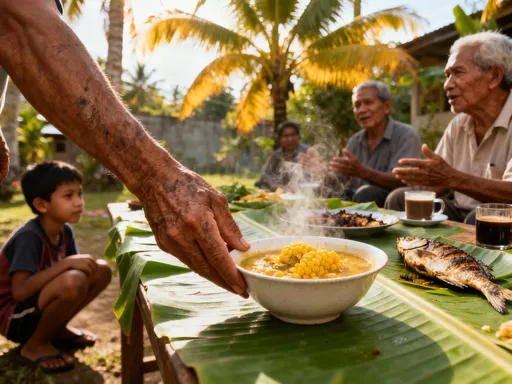
The experience begins the moment you step inside. The air is warm, scented with garlic, yogurt, and wood smoke. The host, a woman in her sixties with hands seasoned by decades of kneading and roasting, greets each guest like a returning relative. She may not speak English, but her hospitality needs no translation. A glass of chilled ayran appears without asking, followed by a basket of warm bread still soft from the oven. When the main dish arrives, it is served family-style—a large platter of byrek layered with feta and spinach, a bowl of fresh tomato and cucumber salad, and the star of the meal, the tave kosi, its surface golden and fragrant with butter and breadcrumbs.
What makes this meal extraordinary is not just the food, but the atmosphere. There is no rush, no pressure to turn the table. Diners linger, sipping raki, sharing stories, and accepting seconds with polite insistence. Children run between tables, greeted by everyone. The host checks in not with a notepad, but with a look—Do you need more? Are you warm enough? Is it to your liking? This level of care transforms dinner into something deeper: a shared moment of belonging. It is not about perfection, but presence. And in that presence, visitors taste not just Albanian cuisine, but Albanian values—hospitality, generosity, and the sacredness of the table.
Street Food Secrets: What Locals Crave After Dark
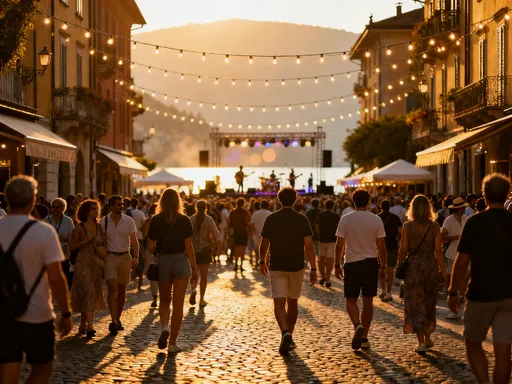
As the sun sets and the city cools, Tirana’s street food culture comes alive. While the daytime markets bustle with shoppers, the night belongs to the grill masters, the fryers, and the late-night wanderers in search of simple, satisfying bites. Near Pazari i Ri, the old bazaar, small stands begin to glow under bare bulbs, their counters lined with skewers, flatbreads, and jars of honey. These are not fancy setups—often just a cart, a propane burner, and a few stools—but they serve some of the most beloved flavors in the city.
Among the most cherished treats is the qebapa—a small, skinless sausage made from a blend of beef and lamb, grilled over charcoal until juicy and slightly charred. Served in a flatbread with raw onions and a squeeze of lemon, it is humble, handheld perfection. Equally iconic is the petulla, a pillowy fried dough often enjoyed for breakfast but just as popular late at night. When drizzled with wildflower honey or filled with soft cheese, it becomes a sweet-savory delight that locals crave after a long day or a night out. Another favorite is flija, a layered pancake-like dish cooked slowly under a metal lid, each layer brushed with butter and sometimes filled with cheese or meat. It is a labor-intensive food, rarely found in large restaurants, but still made in homes and small street kitchens.
What makes these street foods special is not only their taste but their history. Many of these recipes have been passed down for generations, adapted from Ottoman and Balkan traditions. The qebapa, for example, shares roots with the ćevapi of Bosnia and the kebabs of Turkey, yet in Tirana it has its own character—less spiced, more focused on the quality of the meat and the skill of the grill. These stands are not trying to innovate; they are preserving. And in doing so, they offer travelers a direct line to the past. Eating at one of these night stalls is not just about satisfying hunger—it is about participating in a nightly ritual that has shaped Tirana’s identity for decades.
Markets as Kitchens: Cooking Lessons from Tirana’s Vendors
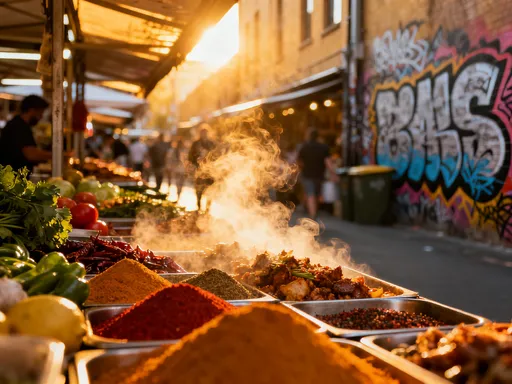
To understand Tirana’s food culture, one must visit its markets—not as a tourist, but as a willing learner. The city’s farmer’s markets, especially those near the city center and in residential neighborhoods, are more than places to buy ingredients—they are living classrooms. Here, grandmothers negotiate prices with vendors they’ve known for years, chefs from local restaurants load up on fresh herbs, and curious visitors are often welcomed with a sample of ripe figs or a slice of homemade cheese.
At these markets, the quality of ingredients is immediately evident. Tomatoes burst with flavor, their skins taut and sun-warmed. Herbs like mint, parsley, and wild oregano are sold in large bunches, their fragrance filling the air. Cheeses—white brined feta, creamy gjizë, and smoked kashkaval—are displayed on wooden boards, each with its own story. Vendors take pride in their products, often naming the village where the milk was sourced or the hillside where the herbs were gathered. This transparency is not marketing—it is tradition. In Albania, food is tied to place, and people want to know where their meals begin.
Perhaps most valuable are the informal lessons offered by the vendors themselves. A cheese seller might explain how to tell if feta is fresh by its texture and salt level. A woman selling peppers could demonstrate how to roast and peel them over an open flame. These tips are not taught in cooking classes—they are shared in passing, part of the oral tradition that sustains Albanian cuisine. For travelers, engaging with these vendors transforms a simple purchase into a deeper understanding. It reveals that the excellence of Tirana’s hidden meals starts long before the first bite—it begins in the soil, the market, and the hands that prepare it. When you later taste a salad made from these ingredients, you recognize the difference: crisp, vibrant, alive.
The Language of Food: Breaking Barriers Without Fluency
In Tirana’s unmarked eateries, language is often a puzzle. Menus are scarce, English is limited, and translation apps struggle with the nuances of Albanian dialects. Yet, communication flows effortlessly—not through words, but through gestures, expressions, and the universal grammar of food. A raised eyebrow, a pointing finger, a shared laugh over spilled raki—these small moments build bridges faster than any phrasebook.
One evening, at a small kitchen in the outskirts of the city, a traveler sat at a table with a local family celebrating a birthday. No common language connected them, yet by the end of the meal, they were exchanging phone numbers and photos. How? Through food. The host placed a spoonful of homemade ajvar on the visitor’s plate, watching closely for a reaction. A smile brought a refill. A nod led to an offer of grilled peppers. When the baklava arrived, the host mimed “slow, savor” with a hand over the heart. In that gesture, everything was understood. The meal became a dialogue without words, a connection built on generosity and shared pleasure.
These moments reveal a truth: in Albania, dining is not a service industry transaction. It is an act of relationship. Whether you speak the language or not, the host will find a way to make you feel welcome. They will offer you the best seat, the freshest dish, the last piece of bread. And in return, they ask only that you eat with appreciation. This unspoken contract—hospitality met with gratitude—transcends culture. It reminds us that food is not just fuel, but a language of its own, one that speaks of care, trust, and belonging.
Why These Meals Stay With You
Most tourist meals fade from memory—the overpriced salad near the museum, the generic pasta at the hotel restaurant. But the meals in Tirana’s hidden corners linger. They are recalled not just for their taste, but for their feeling. The warmth of the host, the laughter around the table, the unexpected kindness of a stranger—all become part of the flavor. These are not fleeting experiences, but lasting impressions, woven into the traveler’s story.
What makes them endure is their sincerity. There is no performance, no attempt to impress. The food is simple, often rustic, but made with care. The setting is unremarkable—concrete floors, plastic tables, fluorescent lights—but filled with life. In this lack of pretense lies power. It strips away the artifice of tourism and reveals something real: the joy of sharing a meal, the comfort of being welcomed, the beauty of human connection.
And perhaps that is the greatest lesson Tirana’s hidden food scene offers: that the best travel experiences are not found in sights, but in moments of connection. You can walk through museums and stand before ancient ruins, but you will never understand a culture until you’ve eaten at its table. In Albania, that table is open to all. You don’t need an invitation—only curiosity, humility, and an empty stomach. So the next time you find yourself in Tirana, skip the guidebook for a few hours. Step off the main streets, follow the scent of grilled meat, and let the city feed not just your body, but your soul. Because the real Albania isn’t on the map. It’s on a plate, passed from hand to hand, served with a smile that needs no translation.